
Beetroot at Kangema Farm Life
Crop overview
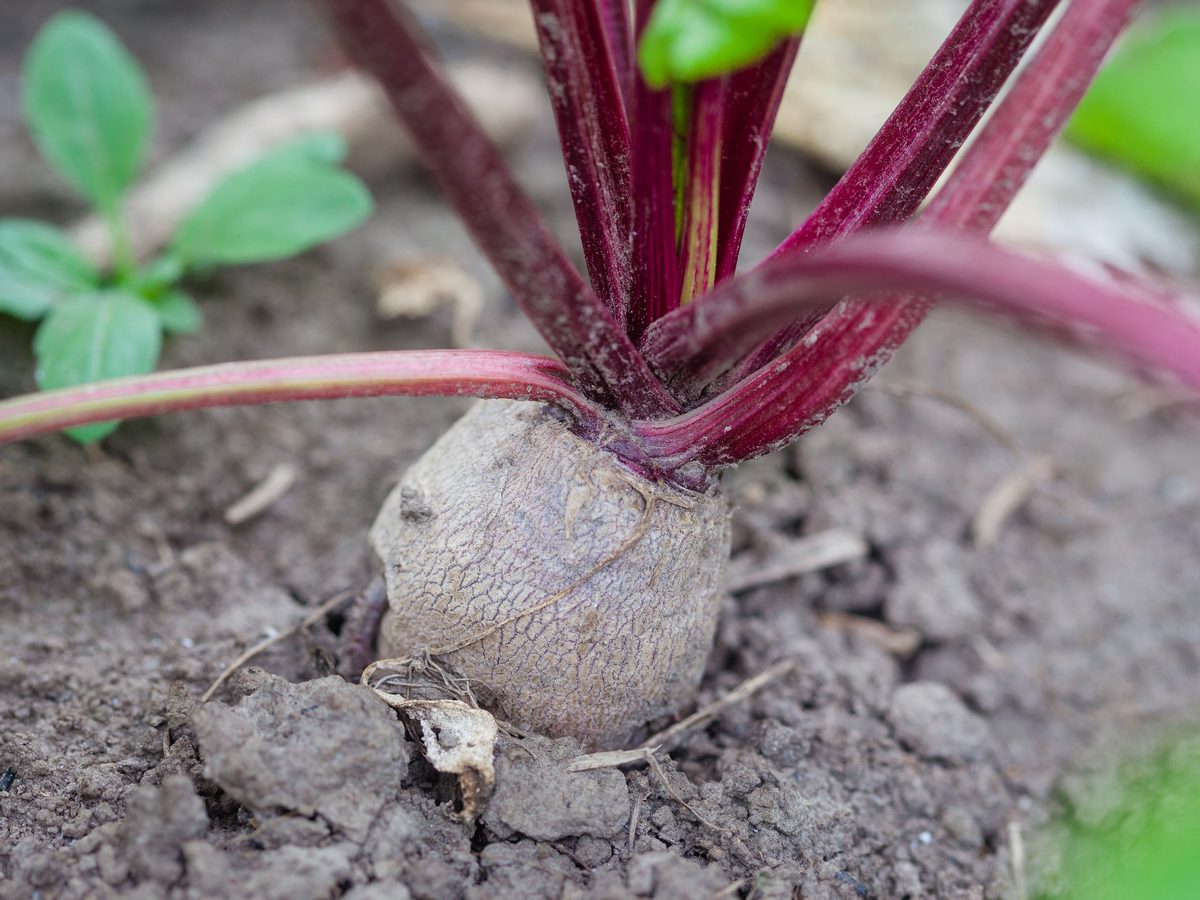
Beetroot is a root crop grown for its round, deep red root, and sometimes for its leaves. It is usually sown directly. Each "seed" is a cluster that can give several seedlings, so thinning is important.
Importance of the crop
Beetroot is bought by supermarkets, hotels, juice makers and households. It keeps well compared with leafy crops.
Suitable climate
Beetroot grows well in cool to moderate conditions. Very hot weather gives pale, woody roots.
Verify locally: figures, varieties and product choices differ by altitude, season and variety. Confirm with your county agricultural extension officer or KALRO before acting.
Soil requirements
Loose, well-drained, fertile soil free of stones gives smooth, round roots.
Land preparation
Dig well, remove stones and add well-decomposed manure.
Seed selection
Use certified seed of a variety your buyers like (shape, colour and size).
Verify locally: figures, varieties and product choices differ by altitude, season and variety. Confirm with your county agricultural extension officer or KALRO before acting.
Sowing
Sow directly in shallow drills and keep moist. Beetroot can also be raised in trays and transplanted with care.
Thinning
Thin seedlings early so each root has room. Thinned young plants can be used as greens.
Spacing
Follow the spacing for your variety and the root size your market wants.
Verify locally: figures, varieties and product choices differ by altitude, season and variety. Confirm with your county agricultural extension officer or KALRO before acting.
Fertilizer and manure
Use balanced fertilizer based on a soil test. Beetroot is sensitive to a lack of boron, which causes black spots inside the root; a soil test shows whether it is needed.
Verify locally: figures, varieties and product choices differ by altitude, season and variety. Confirm with your county agricultural extension officer or KALRO before acting.
Irrigation
Keep moisture steady. Uneven watering gives tough, cracked or ringed roots.
Weed management
Weed early and carefully to avoid damaging roots.
Pest management
Watch for aphids, leaf miners and cutworms. Scout weekly and use only registered products if you must spray.
Verify locally: figures, varieties and product choices differ by altitude, season and variety. Confirm with your county agricultural extension officer or KALRO before acting.
Disease management
Cercospora leaf spot and damping-off are common. Rotate, avoid wetting leaves late in the day and remove diseased leaves.
Verify locally: figures, varieties and product choices differ by altitude, season and variety. Confirm with your county agricultural extension officer or KALRO before acting.
Common problems and solutions
| Problem | What to do |
|---|---|
| Black spots inside the root | Often boron deficiency. Test the soil and seek advice. |
| Several plants growing together | Normal for beetroot seed clusters. Thin early. |
| Round spots on leaves | Possible Cercospora leaf spot. Remove affected leaves and rotate. |
| Woody roots | Harvested too late or heat stress. |
Harvesting
Harvest when roots reach the size your buyer wants. Very large roots can become woody.
Post-harvest handling
Twist off the leaves, leaving a short stalk so roots do not bleed, grade by size and keep cool and shaded.
Expected production
Yields depend on variety, spacing and management, so we do not quote a figure. Keep records.
Verify locally: figures, varieties and product choices differ by altitude, season and variety. Confirm with your county agricultural extension officer or KALRO before acting.
Marketing
Supermarkets, hotels and juice makers want evenly sized, smooth roots. Grading adds value.
Frequently asked questions
Why do several seedlings come from one seed?
Each beetroot "seed" is a cluster of seeds. Thin to one strong plant.
Can I eat beetroot leaves?
Yes. Young leaves are eaten as greens.
Buying beetroot? See it on our Products page or ask us on WhatsApp about availability.
Questions about our produce or farming?
Talk to us on WhatsApp or send a message. We reply as soon as we can.