
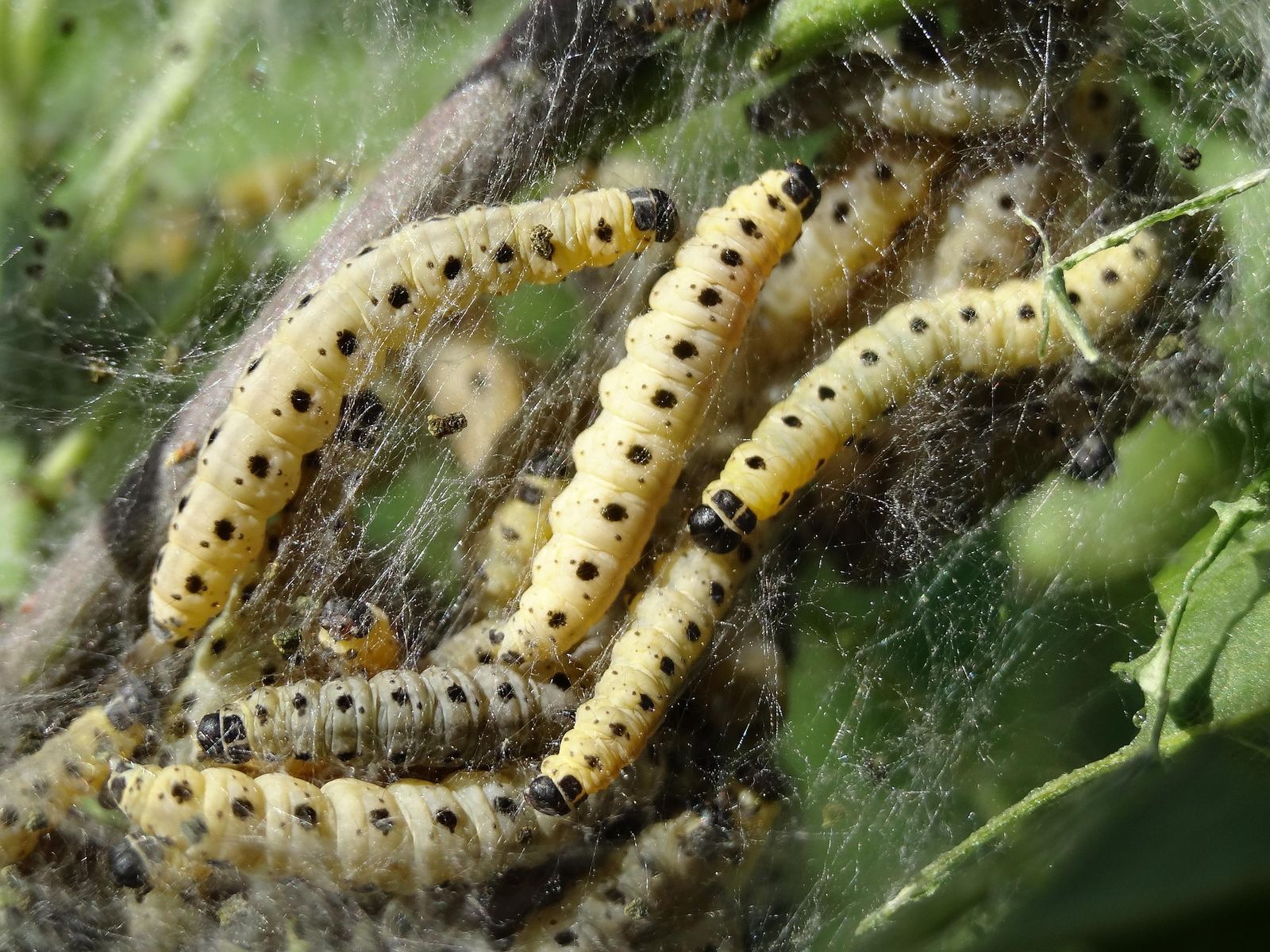
Most crop losses from pests and diseases start small. Walking your field regularly, and looking carefully, lets you act while a problem is still small and cheap to control. This is called scouting.
How to walk the field
- Walk a zigzag or W-shaped path through each block, so you see the whole field, not just the edges.
- Stop at several points along the way and look closely at a few plants at each stop.
- Check the edges too, where pests often arrive first.
- Do it on the same day each week, so you can compare.
What to look at on each plant
- Under the leaves: aphids, whiteflies, mites and eggs hide there.
- New growth: curled, mottled or twisted leaves can mean sucking insects or a virus.
- Flowers and fruit: holes, spots, rot or dropping.
- The stem base: wilting, dark patches or cut stems.
- Leaves: spots, yellowing, holes and droppings.
Write it down
Note the date, the block, what you saw and roughly how many plants were affected. A few lines each week show whether a problem is growing or shrinking, and help you judge whether action is needed.
When you find a problem
- Remove and destroy badly affected plants or fruit.
- Get the problem identified before you buy any spray. Take a clear photo to your extension officer or agro-dealer.
- If you must spray, use only products registered for that crop in Kenya, follow the label, and respect the waiting time before harvest.
- Look after natural enemies such as ladybirds, which eat aphids.
Key points
- Scout every week, on a set day.
- Walk the whole field and look under the leaves.
- Record what you find.
- Identify the problem before you spray.
Verify locally: figures, varieties and product choices differ by altitude, season and variety. Confirm with your county agricultural extension officer or KALRO before acting.
Questions about our produce or farming?
Talk to us on WhatsApp or send a message. We reply as soon as we can.