
Butternut at Kangema Farm Life
Crop overview
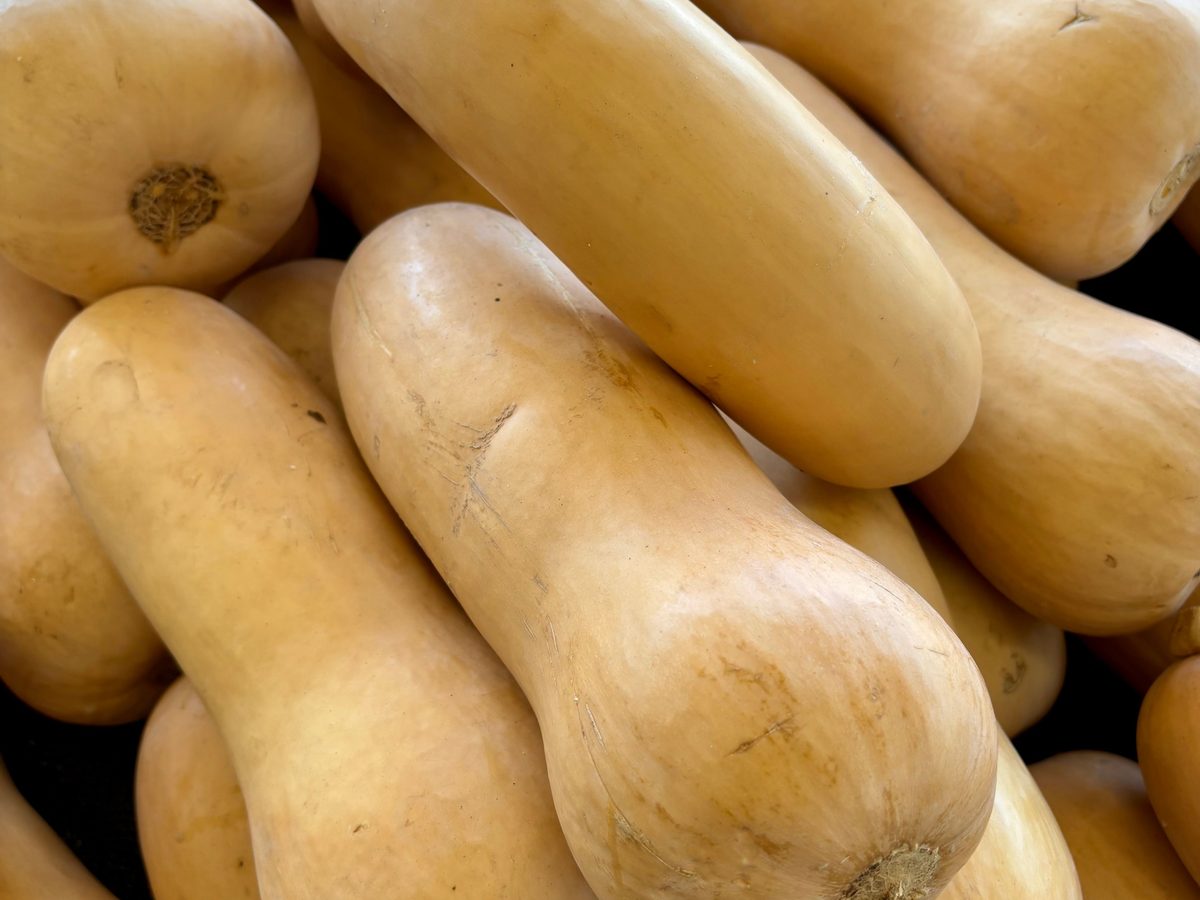
Butternut squash is a vine crop from the pumpkin family, grown for its sweet, orange-fleshed fruit. Well-matured fruit has a hard skin and keeps for a long time, which makes marketing easier.
Importance of the crop
Butternut is popular with households, hotels and supermarkets. Because it stores well after curing, you can sell over a longer period instead of all at once.
Suitable climate
Butternut likes warm, sunny conditions. Cold weather slows growth, and long wet spells encourage leaf diseases and fruit rot.
Verify locally: figures, varieties and product choices differ by altitude, season and variety. Confirm with your county agricultural extension officer or KALRO before acting.
Soil requirements
A deep, well-drained, fertile soil rich in organic matter is best. Avoid waterlogged ground.
Land preparation
Dig planting holes or ridges and mix in plenty of well-decomposed manure. Leave enough room for the vines to spread.
Seed selection
Use certified seed of a variety suited to your area and market. Ask your supplier about fruit size and maturity time.
Verify locally: figures, varieties and product choices differ by altitude, season and variety. Confirm with your county agricultural extension officer or KALRO before acting.
Sowing
Butternut is usually sown directly in the planting holes. It can also be raised in trays and transplanted carefully, without disturbing the roots.
Early care
Thin to the strongest plants, fill gaps early and protect young plants from pumpkin beetles and cutworms.
Spacing
Vines spread widely, so follow the spacing recommended for your variety. Crowding increases disease and reduces fruit size.
Verify locally: figures, varieties and product choices differ by altitude, season and variety. Confirm with your county agricultural extension officer or KALRO before acting.
Fertilizer and manure
Use manure generously and fertilizer based on a soil test. Too much nitrogen gives large vines with few fruits.
Verify locally: figures, varieties and product choices differ by altitude, season and variety. Confirm with your county agricultural extension officer or KALRO before acting.
Irrigation
Water steadily, especially at flowering and fruit growth. Water at the base of the plant to keep leaves dry.
Weed management
Weed until the vines cover the ground; after that the leaves shade out most weeds.
Pest management
Watch for aphids, whiteflies, pumpkin beetles and fruit flies, which sting young fruit. Scout weekly. If you must spray, use only registered products. Bees pollinate the flowers, so protect them. See pest management.
Verify locally: figures, varieties and product choices differ by altitude, season and variety. Confirm with your county agricultural extension officer or KALRO before acting.
Disease management
Powdery mildew, downy mildew and mosaic viruses are common. Give good spacing, rotate away from the pumpkin family, and remove badly affected plants.
Verify locally: figures, varieties and product choices differ by altitude, season and variety. Confirm with your county agricultural extension officer or KALRO before acting.
Common problems and solutions
| Problem | What to do |
|---|---|
| Small fruits shrivel and drop | Often poor pollination. Protect bees and avoid spraying when flowers are open. |
| White powder on leaves | Powdery mildew. Improve airflow and ask for advice. |
| Fruits rot in storage | Usually immature or damaged fruit. Harvest mature, cure well and handle gently. |
| Lots of vines, few fruits | Often too much nitrogen. Balance feeding. |
Harvesting
Harvest when the skin is hard (a fingernail does not dent it), the colour is even and the stalk is drying. Cut with a short stalk attached.
Curing and storage
Cure fruit in a dry, shaded, airy place for a period after harvest so the skin hardens further. Store in a cool, dry, ventilated place and check regularly for rot.
Expected production
Yields vary with variety, spacing and management, so we do not quote a figure. Keep records of fruits harvested.
Verify locally: figures, varieties and product choices differ by altitude, season and variety. Confirm with your county agricultural extension officer or KALRO before acting.
Marketing
Supermarkets, hotels and markets buy butternut, often by size grade. Good curing lets you sell over a longer period.
Frequently asked questions
How do I know butternut is mature?
The skin is hard and evenly coloured, and the stalk is drying.
How long does butternut keep?
Well-cured fruit keeps for weeks to months in cool, dry, airy storage.
Can I follow pumpkins with butternut?
Better not: they are the same family and share diseases.
Buying butternut squash? See it on our Products page or ask us on WhatsApp about availability.
Questions about our produce or farming?
Talk to us on WhatsApp or send a message. We reply as soon as we can.