
Capsicum at Kangema Farm Life
Crop overview
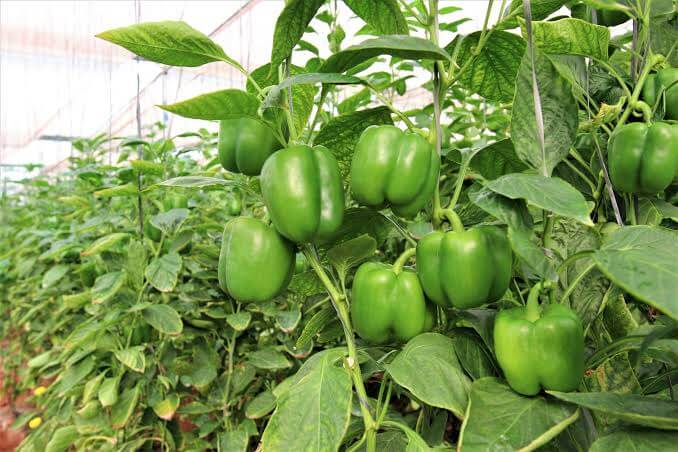
Capsicum, or sweet pepper, is a warm-season vegetable from the same family as chilli and tomato. It is grown for its large, mild fruits, harvested green or when they turn red, yellow or orange.
Importance of the crop
Capsicum is in steady demand from households, hotels, restaurants and supermarkets. Good-quality fruit fetches a good price, and the crop does very well in greenhouses, where quality and yield are easier to control.
Suitable climate
Capsicum likes warm days, cool nights and plenty of sun. It is more sensitive than chilli to cold, heavy rain and big swings in temperature, which can cause flowers to drop. In cool or wet highland areas a greenhouse or tunnel gives far more reliable results.
Verify locally: figures, varieties and product choices differ by altitude, season and variety. Confirm with your county agricultural extension officer or KALRO before acting.
Soil requirements
A deep, well-drained, fertile loam rich in organic matter is best. Avoid waterlogged soils, which encourage root rots and wilt. A soil test shows pH and nutrient levels so you apply only what is needed.
Land preparation
Clear the land, dig or plough deeply and break clods. Work in well-decomposed manure or compost. Make raised beds where drainage is poor. Do not plant after tomatoes, chillies, potatoes or other members of the same family, which share diseases.
Seed and seedling selection
Buy certified seed or healthy seedlings from a registered supplier. Choose a variety suited to your growing system (open field or greenhouse), your market (colour and size) and your disease risks.
Verify locally: figures, varieties and product choices differ by altitude, season and variety. Confirm with your county agricultural extension officer or KALRO before acting.
Nursery management
Raise seedlings in trays or a clean nursery bed with fresh, disease-free mix. Keep them lightly shaded and evenly moist, and watch for damping-off. Harden seedlings off by gradually exposing them to full sun before transplanting. See our nursery guide.
Transplanting
Transplant sturdy seedlings in the evening or on a cloudy day. Water the holes first, plant at the same depth as in the nursery, firm the soil and water straight away. Replace any seedlings that die in the first week.
Spacing and support
Spacing depends on the variety and the growing system; follow your seed supplier's advice. Heavy-bearing plants, especially in greenhouses, need stakes or strings to stop branches breaking under the weight of fruit.
Verify locally: figures, varieties and product choices differ by altitude, season and variety. Confirm with your county agricultural extension officer or KALRO before acting.
Fertilizer and manure
Mix manure or compost into the planting area. Planting and top-dressing fertilizers should be based on a soil test and extension advice. Calcium and steady watering help prevent blossom-end rot (a dark, sunken patch at the bottom of the fruit).
Verify locally: figures, varieties and product choices differ by altitude, season and variety. Confirm with your county agricultural extension officer or KALRO before acting.
Irrigation
Keep moisture steady, especially from flowering onwards. Drip irrigation is ideal because it keeps leaves dry and saves water. Mulch helps hold moisture. See our irrigation guide.
Weed management
Keep the crop weed-free, especially while young. Weed shallowly to protect the roots, and use mulch to suppress weeds and hold moisture.
Pest management
Watch for aphids, thrips, whiteflies, spider mites and fruit-boring caterpillars. Scout weekly and check under the leaves. Remove badly infested plants and keep the field clean. If you must spray, use only products registered for capsicum in Kenya and follow the label and pre-harvest interval. See pest management.
Verify locally: figures, varieties and product choices differ by altitude, season and variety. Confirm with your county agricultural extension officer or KALRO before acting.
Disease management
Common problems include bacterial wilt, Phytophthora blight, powdery mildew, anthracnose, bacterial leaf spot and virus diseases spread by sucking insects. Prevention works best: clean seed, rotation, good drainage, spacing and removing diseased plants. Have problems identified before treating. See disease identification.
Verify locally: figures, varieties and product choices differ by altitude, season and variety. Confirm with your county agricultural extension officer or KALRO before acting.
Common problems and solutions
| Problem | What to do |
|---|---|
| Flowers and young fruits drop | Often heat, cold, water stress or thrips. Keep watering steady and check for pests. |
| Dark sunken patch at the fruit tip | Blossom-end rot. Water evenly and check calcium with a soil test. |
| Pale, papery patches on fruit | Sunscald. Keep good leaf cover over the fruit. |
| Plants wilt although the soil is moist | Possible bacterial wilt. Remove affected plants and rotate away from the tomato family. |
| Curled, mottled leaves | Possible virus, mites or thrips. Control sucking insects and remove badly affected plants. |
Harvesting
Harvest green fruit when it is full size, firm and glossy, or leave it to colour fully if your buyer wants red, yellow or orange fruit. Cut the fruit with a clean knife or scissors, leaving a short stalk, rather than pulling it. Pick regularly.
Post-harvest handling
Harvest in the cool of the morning, keep fruit in the shade, and sort out damaged or diseased fruit. Grade by size and colour, pack in clean, ventilated crates and transport quickly. See post-harvest handling.
Expected production
Yields vary widely with variety, growing system, management and season, so we do not quote a figure here. Keep your own records to learn what your land and greenhouse produce, and ask your extension officer for realistic local figures.
Verify locally: figures, varieties and product choices differ by altitude, season and variety. Confirm with your county agricultural extension officer or KALRO before acting.
Marketing
Supermarkets, hotels, restaurants and fast-food outlets are steady buyers, and coloured capsicum often earns more than green. Uniform size and clean, unblemished fruit win repeat orders. Agree quantity and timing with buyers before you plant.
Frequently asked questions
Is capsicum better in a greenhouse?
In cool or wet areas, usually yes: a greenhouse protects plants from cold and rain and improves fruit quality. Open-field capsicum can do well in warm, dry conditions.
Can I plant capsicum after chillies?
No. Chillies, capsicum, tomatoes and potatoes share diseases. Rotate with cabbages, kales, onions or beans.
Why do coloured capsicums cost more?
They stay on the plant longer to change colour, which takes more time and care, and they are in demand for their sweetness and colour.
Buying capsicum? See it on our Products page or ask us on WhatsApp about availability.
Questions about our produce or farming?
Talk to us on WhatsApp or send a message. We reply as soon as we can.