
Carrots at Kangema Farm Life
Crop overview
Carrots are a root crop sown directly in the field, as the roots do not transplant well. They need loose, deep soil to grow long and straight.
Importance of the crop
Carrots are bought by households, hotels, schools, supermarkets and juice makers. They keep better than leafy vegetables, which makes them easier to market.
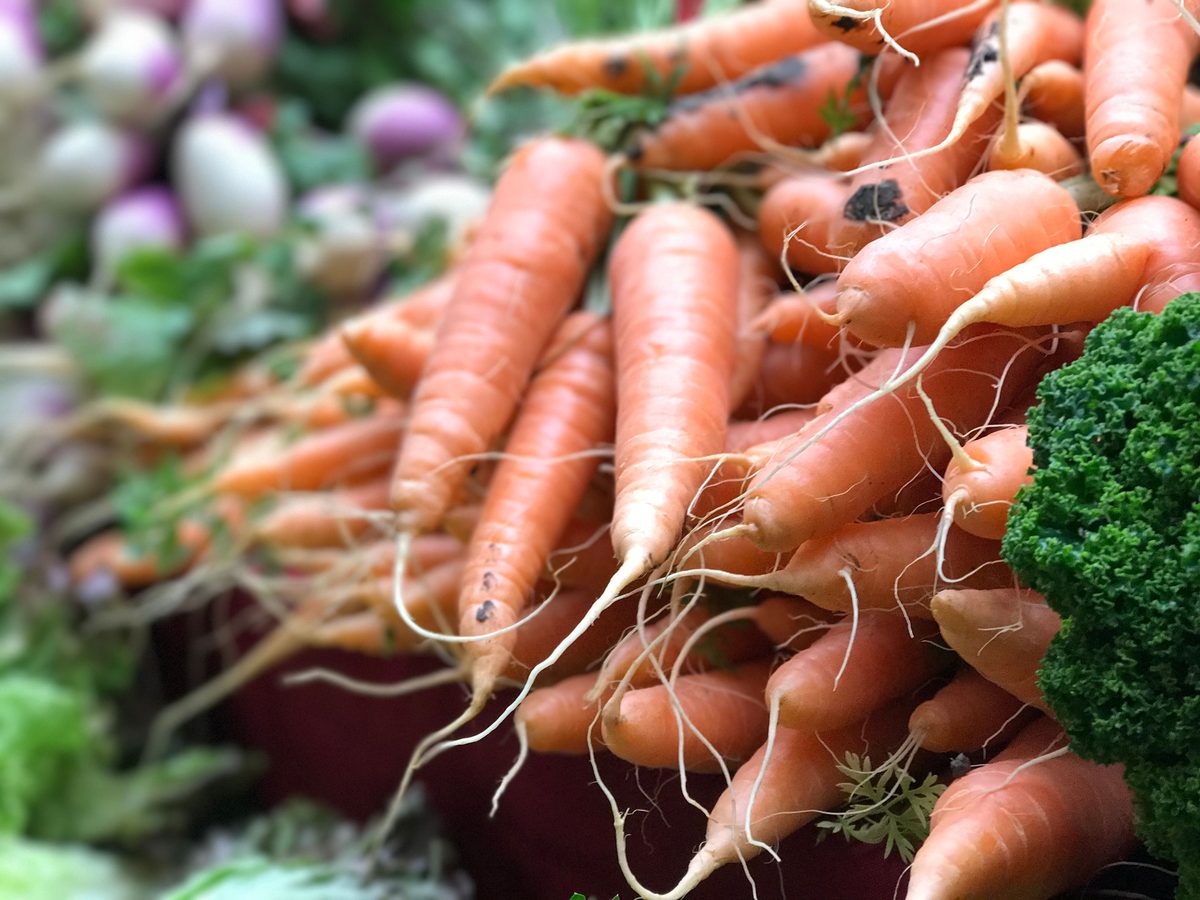
Suitable climate
Carrots grow well in cool to moderate conditions and suit the highlands. Very hot weather gives poor colour and taste.
Verify locally: figures, varieties and product choices differ by altitude, season and variety. Confirm with your county agricultural extension officer or KALRO before acting.
Soil requirements
Deep, loose, well-drained, stone-free soil is essential. Stones, hard layers and fresh manure make roots fork and twist.
Land preparation
Dig deeply, remove stones and break clods. Use only well-decomposed manure, applied well before sowing. Raised beds help in heavy soils.
Seed selection
Use certified seed of a variety suited to your soil and market (root length, shape and colour).
Verify locally: figures, varieties and product choices differ by altitude, season and variety. Confirm with your county agricultural extension officer or KALRO before acting.
Sowing
Sow thinly in shallow drills and cover lightly. Keep the surface moist until seedlings appear, as carrot seed is slow to germinate.
Thinning
Thin seedlings once or twice so roots have room to grow. Crowded carrots stay thin and twisted.
Spacing
Follow the row and plant spacing for your variety.
Verify locally: figures, varieties and product choices differ by altitude, season and variety. Confirm with your county agricultural extension officer or KALRO before acting.
Fertilizer and manure
Avoid fresh manure and excess nitrogen, which cause forked, hairy roots. Base fertilizer on a soil test.
Verify locally: figures, varieties and product choices differ by altitude, season and variety. Confirm with your county agricultural extension officer or KALRO before acting.
Irrigation
Keep moisture even. Heavy watering after a dry spell makes roots crack.
Weed management
Weed carefully and early; carrot seedlings are small and slow.
Pest management
Watch for aphids, cutworms and root-knot nematodes, which cause galled, forked roots. Rotate crops to keep nematodes down. If you must spray, use only registered products.
Verify locally: figures, varieties and product choices differ by altitude, season and variety. Confirm with your county agricultural extension officer or KALRO before acting.
Disease management
Alternaria leaf blight and powdery mildew are common on the leaves. Rotate, give good spacing and remove diseased plant material.
Verify locally: figures, varieties and product choices differ by altitude, season and variety. Confirm with your county agricultural extension officer or KALRO before acting.
Common problems and solutions
| Problem | What to do |
|---|---|
| Forked or twisted roots | Stones, hard soil, fresh manure or crowding. Dig deep and thin. |
| Cracked roots | Uneven watering. Keep moisture steady. |
| Galls on roots | Root-knot nematodes. Rotate and avoid infested fields. |
| Green shoulders | Exposed to light. Cover the tops with soil. |
Harvesting
Harvest when roots reach the size your buyer wants. Loosen the soil first so roots do not break.
Post-harvest handling
Remove tops, wash gently if your buyer wants clean carrots, grade by size and keep cool and shaded.
Expected production
Yields depend on soil, variety and management, so we do not quote a figure. Keep records.
Verify locally: figures, varieties and product choices differ by altitude, season and variety. Confirm with your county agricultural extension officer or KALRO before acting.
Marketing
Supermarkets, hotels, schools and juice makers want straight, clean, evenly sized roots. Grading adds value.
Frequently asked questions
Can I transplant carrots?
No. Sow them directly; transplanted carrots grow forked.
Why are my carrots hairy?
Usually too much nitrogen or fresh manure.
Buying carrots? See it on our Products page or ask us on WhatsApp about availability.
Questions about our produce or farming?
Talk to us on WhatsApp or send a message. We reply as soon as we can.