
Green maize at Kangema Farm Life
Crop overview
Green maize is maize harvested while the cobs are still soft and milky, for roasting and boiling. It is sown directly and grown much like dry maize, but harvested much earlier.
Importance of the crop
Roasted and boiled maize is popular across Kenya, so green maize sells quickly in markets, by roadsides and to traders. Selling green can bring money sooner than waiting for dry grain.
Suitable climate
Maize grows in a wide range of conditions. Choose a variety suited to your altitude, because highland, medium-altitude and lowland varieties mature at very different speeds.
Verify locally: figures, varieties and product choices differ by altitude, season and variety. Confirm with your county agricultural extension officer or KALRO before acting.
Soil requirements
Maize does best in deep, fertile, well-drained soil. It is a heavy feeder, so organic matter and good fertility matter.
Land preparation
Clear the land, plough and harrow to a good tilth. Add well-decomposed manure. Plant along the contour on slopes.
Seed selection
Use certified seed of a variety recommended for your area. Do not replant seed saved from hybrid maize, as it gives poor, uneven crops.
Verify locally: figures, varieties and product choices differ by altitude, season and variety. Confirm with your county agricultural extension officer or KALRO before acting.
Sowing
Maize is sown directly at the start of the rains or with irrigation. Sow at the depth and spacing recommended for your variety. Sowing in batches gives green cobs over a longer period.
Early care
Fill gaps soon after emergence and thin to the recommended number of plants per hole. Watch young plants for fall armyworm and cutworms.
Spacing
Follow the spacing for your variety and fertility. Too many plants give small cobs.
Verify locally: figures, varieties and product choices differ by altitude, season and variety. Confirm with your county agricultural extension officer or KALRO before acting.
Fertilizer and manure
Apply manure and planting fertilizer, then top-dress with nitrogen while plants are young, guided by a soil test and extension advice.
Verify locally: figures, varieties and product choices differ by altitude, season and variety. Confirm with your county agricultural extension officer or KALRO before acting.
Irrigation
Maize needs water most at tasselling, silking and cob filling. Water stress then gives poorly filled cobs.
Weed management
Keep the field weed-free for the first weeks. Weeds early in the season cut yields sharply.
Pest management
Fall armyworm is a major pest: look for ragged holes and sawdust-like droppings in the funnel. Also watch for stalk borers and aphids. Scout weekly. If you must spray, use only registered products and follow the label. See pest management.
Verify locally: figures, varieties and product choices differ by altitude, season and variety. Confirm with your county agricultural extension officer or KALRO before acting.
Disease management
Watch for maize lethal necrosis (MLN), grey leaf spot, northern leaf blight, rust and smut. Use certified seed, rotate with non-cereal crops and remove badly affected plants.
Verify locally: figures, varieties and product choices differ by altitude, season and variety. Confirm with your county agricultural extension officer or KALRO before acting.
Common problems and solutions
| Problem | What to do |
|---|---|
| Ragged holes and droppings in the funnel | Fall armyworm. Scout early and act quickly. |
| Yellow streaks and dying plants | Possible maize lethal necrosis. Use certified seed and rotate. |
| Poorly filled cobs | Often water or nutrient stress at silking. Water and feed on time. |
| Grey rectangular leaf spots | Possible grey leaf spot. Rotate and use tolerant varieties. |
Harvesting
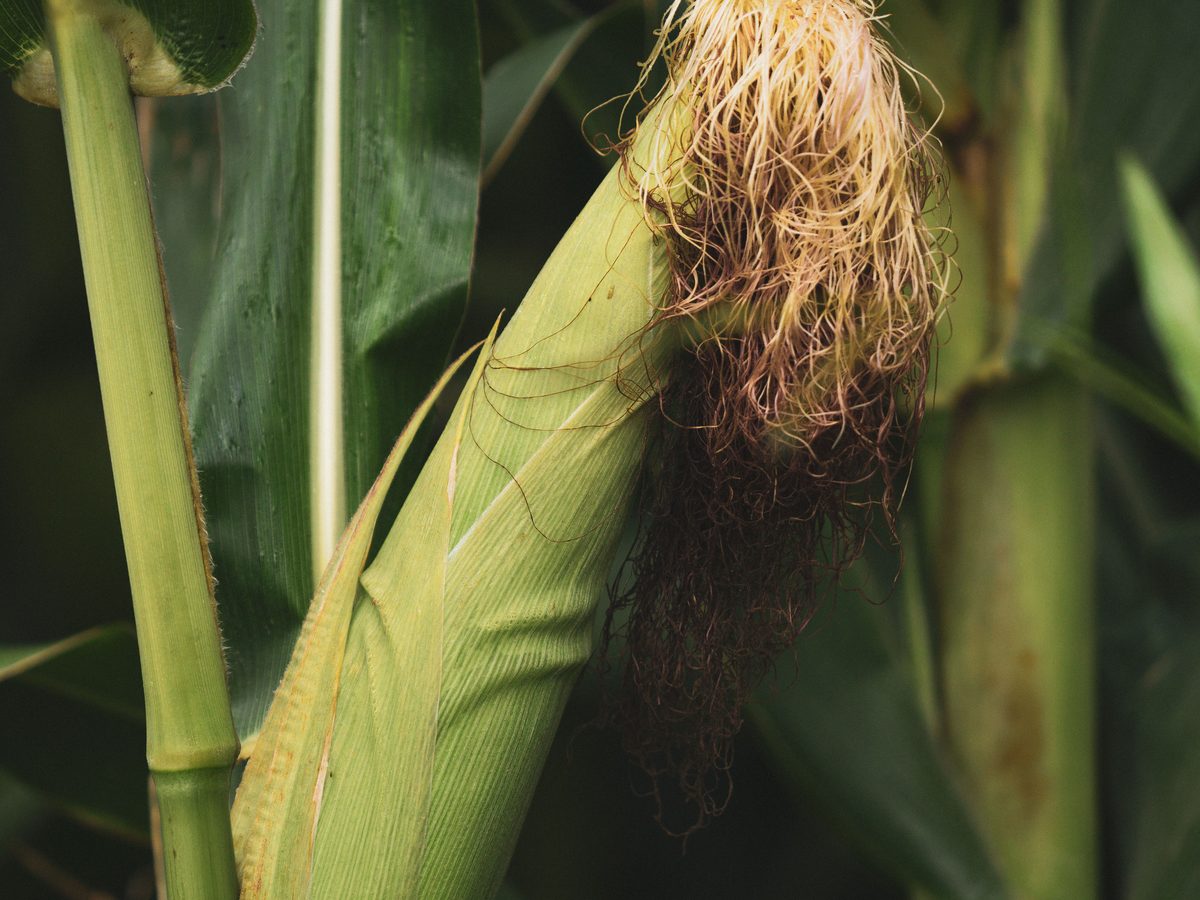
Green maize is ready when the silks have turned brown and dry and a kernel pressed with a fingernail releases a milky liquid. Harvest before kernels harden.
Post-harvest handling
Green cobs lose sweetness and freshness quickly. Harvest close to the time of sale, keep cobs in their husks and in the shade, and transport quickly.
Expected production
Yields depend on variety, spacing and management, so we do not quote a figure. Record cobs sold per area to learn your field's output.
Verify locally: figures, varieties and product choices differ by altitude, season and variety. Confirm with your county agricultural extension officer or KALRO before acting.
Marketing
Sell to traders, market vendors, roadside roasters and institutions. Staggered sowing lets you supply customers over a longer season.
Frequently asked questions
When is green maize ready?
When silks are brown and kernels are full and release milky juice when pressed.
Can I replant my own maize seed?
Not from hybrid varieties: the next crop is weak and uneven. Buy certified seed.
How do I get green maize for longer?
Sow small blocks a few weeks apart.
Buying green maize? See it on our Products page or ask us on WhatsApp about availability.
Questions about our produce or farming?
Talk to us on WhatsApp or send a message. We reply as soon as we can.