
Lettuce at Kangema Farm Life
Crop overview
Lettuce is a quick-growing salad crop harvested as whole heads or as loose leaves. It needs cool conditions, steady water and gentle handling.
Importance of the crop
Lettuce is in demand from hotels, restaurants, supermarkets and fast-food outlets. Quality and freshness decide the price.
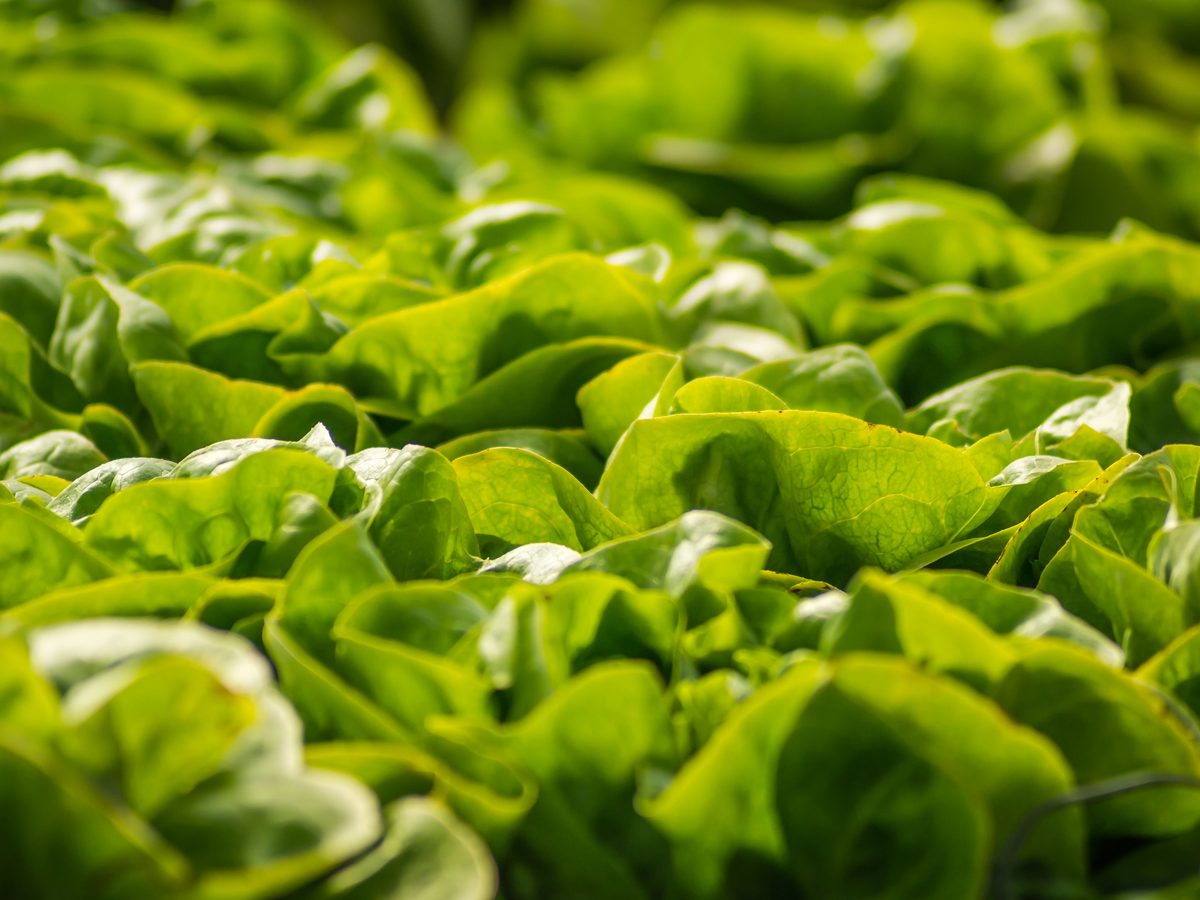
Suitable climate
Lettuce prefers cool weather and grows well in the highlands. Heat makes it bolt (flower) and taste bitter.
Verify locally: figures, varieties and product choices differ by altitude, season and variety. Confirm with your county agricultural extension officer or KALRO before acting.
Soil requirements
Loose, fertile, well-drained soil rich in organic matter suits lettuce's shallow roots.
Land preparation
Prepare a fine seedbed or raised beds and mix in well-decomposed manure.
Seed selection
Choose varieties by type (head, loose-leaf, cos) and by what your buyers want. Use certified seed.
Verify locally: figures, varieties and product choices differ by altitude, season and variety. Confirm with your county agricultural extension officer or KALRO before acting.
Nursery management
Sow in trays or a fine nursery bed, cover lightly and keep moist. Seedlings are ready to move when they have a few true leaves. See our nursery guide.
Transplanting
Transplant in the cool of the evening and water at once. Do not bury the centre of the plant.
Spacing
Spacing depends on the type and the head size your buyers want; follow your supplier's advice.
Verify locally: figures, varieties and product choices differ by altitude, season and variety. Confirm with your county agricultural extension officer or KALRO before acting.
Fertilizer and manure
Use well-decomposed manure and balanced fertilizer based on a soil test. Avoid excess nitrogen, which gives soft, poor-keeping heads.
Verify locally: figures, varieties and product choices differ by altitude, season and variety. Confirm with your county agricultural extension officer or KALRO before acting.
Irrigation
Water lightly and often; lettuce has shallow roots. Uneven watering causes tip burn and bitterness.
Weed management
Weed early and carefully. Mulch helps keep weeds down and leaves clean.
Pest management
Watch for aphids, cutworms, leaf miners and slugs. Scout weekly. If you must spray, use only registered products and respect the pre-harvest interval.
Verify locally: figures, varieties and product choices differ by altitude, season and variety. Confirm with your county agricultural extension officer or KALRO before acting.
Disease management
Downy mildew, bottom rot and leaf spots are common. Avoid wetting leaves, keep good spacing and rotate.
Verify locally: figures, varieties and product choices differ by altitude, season and variety. Confirm with your county agricultural extension officer or KALRO before acting.
Common problems and solutions
| Problem | What to do |
|---|---|
| Brown, dry leaf edges | Tip burn, often from uneven watering or heat. Water evenly. |
| Plants shoot up and taste bitter | Bolting from heat or age. Harvest on time and grow in cool seasons. |
| Yellow patches with grey growth under leaves | Possible downy mildew. Improve airflow and avoid wetting leaves. |
| Holes and slime trails | Slugs. Remove hiding places and hand-pick in the evening. |
Harvesting
Harvest head lettuce when heads are firm and full; pick loose-leaf types leaf by leaf or cut whole plants. Harvest before plants start to bolt.
Post-harvest handling
Harvest in the cool of the morning, remove damaged outer leaves, keep cool and shaded and deliver quickly. Lettuce bruises easily.
Expected production
Yields depend on type, spacing and season, so we do not quote a figure. Keep records.
Verify locally: figures, varieties and product choices differ by altitude, season and variety. Confirm with your county agricultural extension officer or KALRO before acting.
Marketing
Hotels, restaurants and supermarkets want regular supply of fresh, clean heads. Sowing in batches every few weeks keeps supply steady.
Frequently asked questions
Why does my lettuce taste bitter?
Usually heat, water stress or harvesting too late.
Can lettuce grow in the hot season?
It is difficult; choose heat-tolerant varieties and give some shade.
Buying lettuce? See it on our Products page or ask us on WhatsApp about availability.
Questions about our produce or farming?
Talk to us on WhatsApp or send a message. We reply as soon as we can.