
Passion fruit at Kangema Farm Life
Crop overview
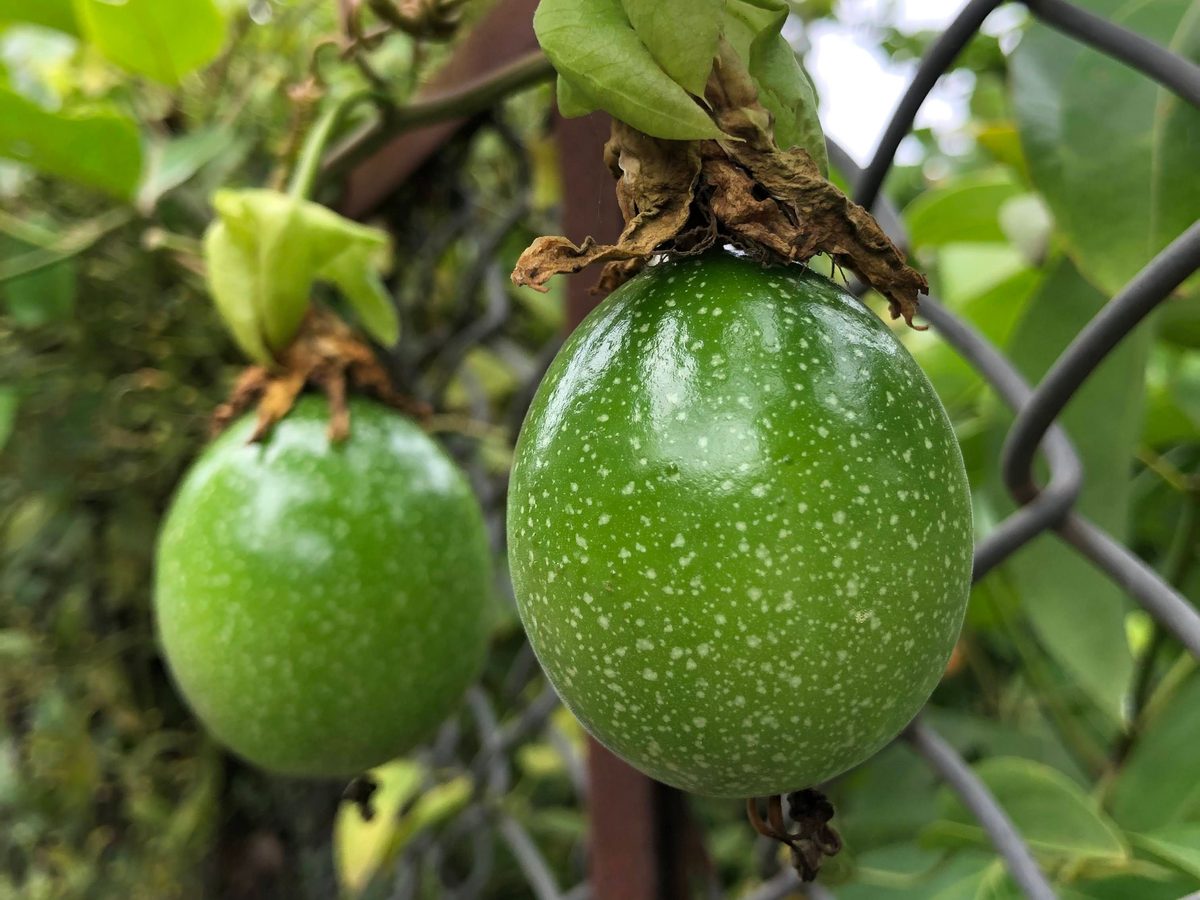
Passion fruit is a climbing vine grown on a trellis. Purple passion fruit suits the highlands, and grafted seedlings are commonly used to reduce root diseases.
Importance of the crop
Passion fruit is popular for juice and fresh eating, with buyers in markets, juice makers, hotels and supermarkets.
Suitable climate
Purple passion fruit grows well in cool to moderate highland conditions. Strong wind damages vines, and very wet weather encourages disease.
Verify locally: figures, varieties and product choices differ by altitude, season and variety. Confirm with your county agricultural extension officer or KALRO before acting.
Soil requirements
Deep, well-drained, fertile soil is essential. Waterlogging leads to root and collar rots.
Land preparation and trellis
Dig planting holes and mix in well-decomposed manure. Build a strong trellis (posts and wires) before or soon after planting.
Planting material
Buy healthy, grafted seedlings from a certified nursery. Grafting purple passion fruit onto a tolerant rootstock helps against soil-borne wilt.
Verify locally: figures, varieties and product choices differ by altitude, season and variety. Confirm with your county agricultural extension officer or KALRO before acting.
Planting
Plant at the start of the rains or with irrigation, keeping the graft union above the soil. Water well and mulch.
Training and pruning
Train the main stem up to the wire, then let side branches hang. Prune regularly to remove old, weak and diseased growth and to keep the vines open.
Spacing
Follow the spacing recommended for your trellis system.
Verify locally: figures, varieties and product choices differ by altitude, season and variety. Confirm with your county agricultural extension officer or KALRO before acting.
Fertilizer and manure
Apply manure regularly and fertilizer based on a soil test, especially during flowering and fruiting.
Verify locally: figures, varieties and product choices differ by altitude, season and variety. Confirm with your county agricultural extension officer or KALRO before acting.
Irrigation
Water regularly in dry spells, especially at flowering and fruit growth. Avoid waterlogging.
Weed management
Keep the area under the vines weed-free and mulched.
Pest management
Watch for fruit flies, mites, thrips, mealybugs and aphids, which spread viruses. Scout regularly and use only products registered for passion fruit if you must spray.
Verify locally: figures, varieties and product choices differ by altitude, season and variety. Confirm with your county agricultural extension officer or KALRO before acting.
Disease management
Fusarium wilt, brown spot, woodiness virus and Phytophthora rots are common. Use grafted, clean seedlings, prune for airflow and remove infected vines.
Verify locally: figures, varieties and product choices differ by altitude, season and variety. Confirm with your county agricultural extension officer or KALRO before acting.
Common problems and solutions
| Problem | What to do |
|---|---|
| Vines wilt suddenly | Possible Fusarium wilt or collar rot. Use grafted seedlings and good drainage. |
| Hard, deformed fruit | Possible woodiness virus. Control aphids and remove infected vines. |
| Brown spots on fruit and leaves | Possible brown spot. Prune for airflow and get advice. |
| Fruit drops early | Often water stress or pests. |
Harvesting
Purple passion fruit is ready when it has fully coloured; ripe fruit often drops. Collect fallen fruit often, or pick fully coloured fruit from the vine.
Post-harvest handling
Keep fruit in the shade, sort out damaged fruit, pack in clean, ventilated crates and sell quickly.
Expected production
Yields depend on variety, vine age and management, so we do not quote a figure. Keep records.
Verify locally: figures, varieties and product choices differ by altitude, season and variety. Confirm with your county agricultural extension officer or KALRO before acting.
Marketing
Juice makers, markets, hotels and supermarkets buy passion fruit. Clean, evenly sized fruit sells best.
Frequently asked questions
Why grafted passion fruit?
Grafting onto a tolerant rootstock reduces losses from soil-borne wilt.
Does passion fruit need a trellis?
Yes. It is a climbing vine and fruits best on a strong trellis.
Buying passion fruit? See it on our Products page or ask us on WhatsApp about availability.
Questions about our produce or farming?
Talk to us on WhatsApp or send a message. We reply as soon as we can.