
Irish potatoes at Kangema Farm Life
Crop overview
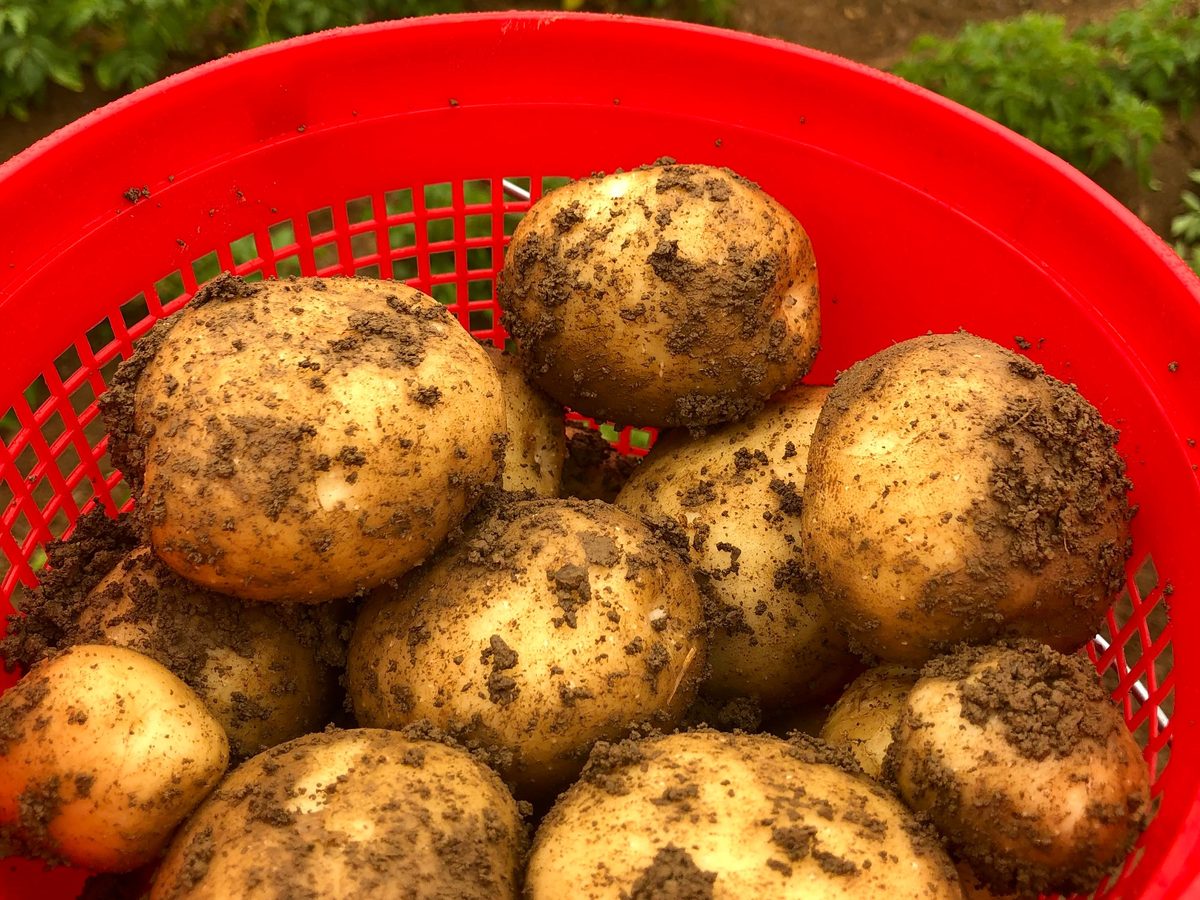
Irish potatoes are grown from seed potatoes (small tubers), not true seed. They are a major highland crop and belong to the same family as tomatoes, chillies and capsicum.
Importance of the crop
Potatoes are one of Kenya's most important food crops, with buyers from households and markets to hotels, chips outlets and processors.
Suitable climate
Potatoes grow best in the cool highlands. Heat reduces tuber formation, and long wet, cool spells favour late blight.
Verify locally: figures, varieties and product choices differ by altitude, season and variety. Confirm with your county agricultural extension officer or KALRO before acting.
Soil requirements
Loose, deep, well-drained soil rich in organic matter gives smooth, well-shaped tubers. Avoid waterlogged soils.
Land preparation
Plough and harrow well and add well-decomposed manure. Do not plant after tomatoes, chillies, capsicum or potatoes, which share bacterial wilt and other diseases.
Seed potatoes
Use certified, disease-free seed potatoes from a recognised source. Seed from your own crop or the market often carries bacterial wilt and viruses. Choose a variety that suits your market, for example for chips or for cooking.
Verify locally: figures, varieties and product choices differ by altitude, season and variety. Confirm with your county agricultural extension officer or KALRO before acting.
Sprouting and planting
Plant seed potatoes that have short, strong sprouts. Place them in furrows or holes at the recommended depth, sprouts facing up, and cover with soil.
Earthing up
As plants grow, pull soil up around the stems once or twice to form ridges. This protects tubers from light (which turns them green) and from potato tuber moth.
Spacing
Follow the spacing for your variety and seed size.
Verify locally: figures, varieties and product choices differ by altitude, season and variety. Confirm with your county agricultural extension officer or KALRO before acting.
Fertilizer and manure
Use manure and planting fertilizer based on a soil test. Potatoes need good phosphorus and potassium.
Verify locally: figures, varieties and product choices differ by altitude, season and variety. Confirm with your county agricultural extension officer or KALRO before acting.
Irrigation
Keep soil evenly moist during tuber formation and bulking. Uneven moisture causes cracked and misshapen tubers.
Weed management
Weed early; earthing up also controls weeds.
Pest management
Watch for potato tuber moth, aphids (which spread viruses), cutworms and nematodes. Scout weekly. If you must spray, use only products registered for potatoes in Kenya. See pest management.
Verify locally: figures, varieties and product choices differ by altitude, season and variety. Confirm with your county agricultural extension officer or KALRO before acting.
Disease management
Late blight is the most damaging disease in wet weather: dark, spreading patches on leaves and stems. Also watch for bacterial wilt, early blight and viruses. Use certified seed, rotate and remove infected plants. Have problems identified before treating.
Verify locally: figures, varieties and product choices differ by altitude, season and variety. Confirm with your county agricultural extension officer or KALRO before acting.
Common problems and solutions
| Problem | What to do |
|---|---|
| Dark, spreading patches on leaves in wet weather | Possible late blight. Act quickly and get advice. |
| Plants wilt suddenly; tubers ooze when cut | Possible bacterial wilt. Remove plants and do not plant the tomato family there. |
| Green tubers | Exposed to light. Earth up well and store in the dark. |
| Tunnels in tubers | Potato tuber moth. Earth up, harvest on time and store clean. |
Harvesting
Harvest when the leaves and stems have dried and the tuber skin no longer rubs off easily (the skin has set). Dig carefully to avoid cutting tubers.
Post-harvest handling and storage
Dry tubers in the shade, sort out damaged and diseased ones and store in a dark, cool, well-ventilated place. Light turns potatoes green, and green parts should not be eaten.
Expected production
Yields vary with seed quality, variety, season and management, so we do not quote a figure. Keep records.
Verify locally: figures, varieties and product choices differ by altitude, season and variety. Confirm with your county agricultural extension officer or KALRO before acting.
Marketing
Sell to markets, traders, hotels, chips outlets and processors. Grading by size and selling clean, undamaged tubers improves prices.
Frequently asked questions
Can I plant potatoes from the market?
It is risky: they may carry diseases. Use certified seed potatoes.
Why earth up potatoes?
To protect tubers from light and pests and to give them room to grow.
Are green potatoes safe?
No. Cut away green parts or discard heavily green tubers.
Buying irish potatoes? See it on our Products page or ask us on WhatsApp about availability.
Questions about our produce or farming?
Talk to us on WhatsApp or send a message. We reply as soon as we can.