
Spinach at Kangema Farm Life
Crop overview
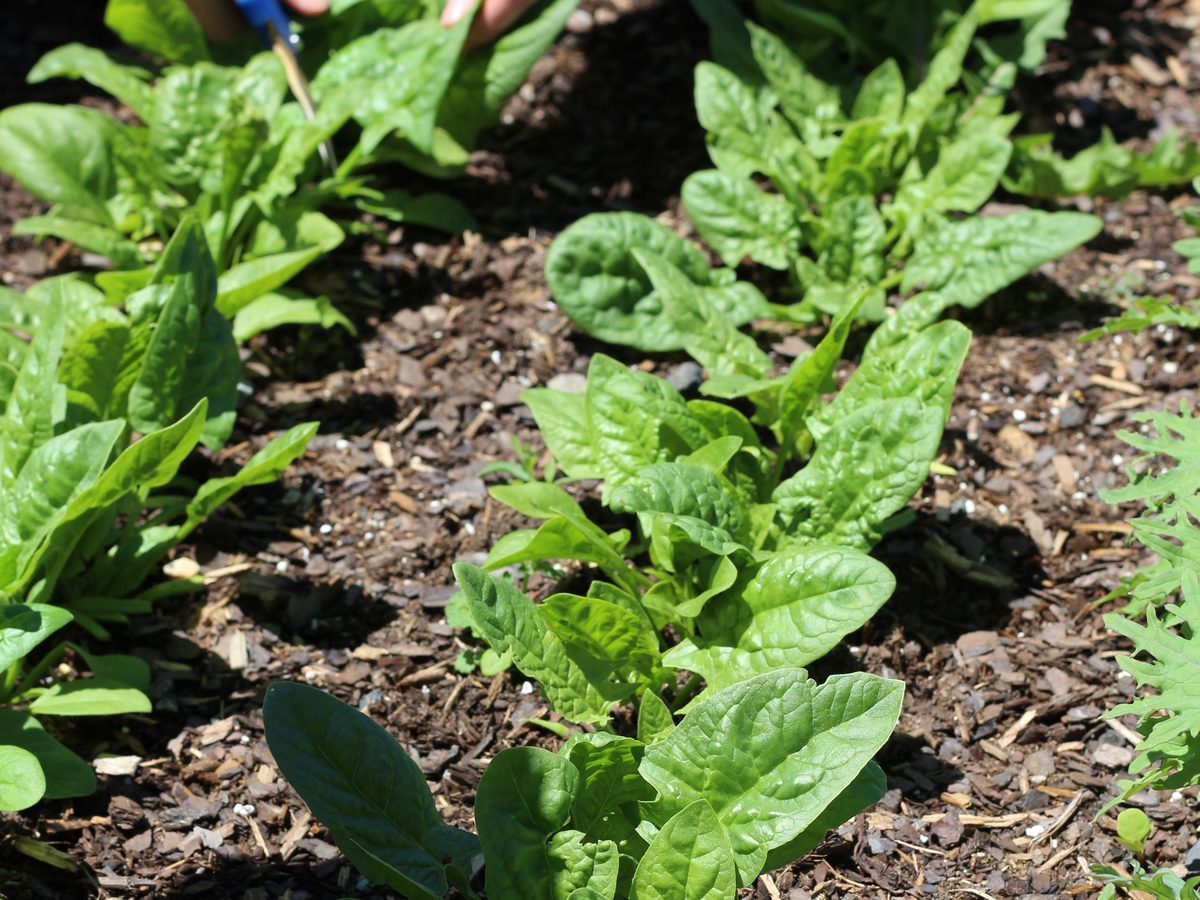
In Kenya, "spinach" usually means Swiss chard type spinach, a leafy crop picked again and again for its large leaves. True spinach is also grown in cool areas. Both are fast-growing leafy greens.
Importance of the crop
Spinach is a common family vegetable with daily demand in markets, schools and hotels. Repeated picking gives a regular income from the same plants.
Suitable climate
Spinach grows best in cool to moderate weather and does well in the highlands. Hot weather can make true spinach flower (bolt) early.
Verify locally: figures, varieties and product choices differ by altitude, season and variety. Confirm with your county agricultural extension officer or KALRO before acting.
Soil requirements
Fertile, well-drained soil rich in organic matter gives the best leaves.
Land preparation
Dig well, remove weeds and mix in well-decomposed manure or compost.
Seed selection
Use certified seed of a variety your market prefers. Ask your supplier about leaf size and how long the variety keeps producing.
Verify locally: figures, varieties and product choices differ by altitude, season and variety. Confirm with your county agricultural extension officer or KALRO before acting.
Nursery or direct sowing
Spinach can be raised in a nursery and transplanted, or sown directly and thinned. Keep seedlings moist and watch for damping-off. See our nursery guide.
Transplanting
Move healthy seedlings in the cool of the evening, water the holes first and water again after planting.
Spacing
Follow the recommended spacing for your variety. Good spacing gives larger leaves and better airflow.
Verify locally: figures, varieties and product choices differ by altitude, season and variety. Confirm with your county agricultural extension officer or KALRO before acting.
Fertilizer and manure
Leafy crops need nitrogen. Use manure or compost and top-dress during the season, guided by a soil test.
Verify locally: figures, varieties and product choices differ by altitude, season and variety. Confirm with your county agricultural extension officer or KALRO before acting.
Irrigation
Water regularly so leaves stay tender. Dry spells make leaves tough and slow growth.
Weed management
Keep beds weed-free, especially early on.
Pest management
Watch for aphids, leaf miners and cutworms. Scout weekly. If you must spray, use only registered products and respect the pre-harvest interval, as leaves are picked often.
Verify locally: figures, varieties and product choices differ by altitude, season and variety. Confirm with your county agricultural extension officer or KALRO before acting.
Disease management
Leaf spots (such as Cercospora), downy mildew and damping-off are common. Avoid wetting leaves late in the day, rotate and remove diseased leaves.
Verify locally: figures, varieties and product choices differ by altitude, season and variety. Confirm with your county agricultural extension officer or KALRO before acting.
Common problems and solutions
| Problem | What to do |
|---|---|
| Round spots with pale centres on leaves | Possible Cercospora leaf spot. Remove affected leaves and avoid wetting leaves. |
| Winding tunnels in leaves | Leaf miners. Remove affected leaves. |
| Plants flower early | Bolting, often from heat. Choose suitable varieties and seasons. |
| Small, pale leaves | Usually lack of nitrogen or water. |
Harvesting
Pick mature outer leaves, leaving the centre to keep producing. Harvest regularly.
Post-harvest handling
Harvest in the cool of the morning, keep leaves shaded and sell quickly, as they wilt fast.
Expected production
Yields depend on variety and how long picking continues, so we do not quote a figure. Record each harvest.
Verify locally: figures, varieties and product choices differ by altitude, season and variety. Confirm with your county agricultural extension officer or KALRO before acting.
Marketing
Markets, households, schools and hotels buy spinach regularly. Fresh, clean bundles sell best.
Frequently asked questions
Is Kenyan spinach the same as true spinach?
Usually not. Most "spinach" in Kenya is Swiss chard type, which tolerates more heat and is picked for longer.
How often can I pick spinach?
Regularly, taking the outer leaves, as long as plants are healthy and fed.
Buying spinach? See it on our Products page or ask us on WhatsApp about availability.
Questions about our produce or farming?
Talk to us on WhatsApp or send a message. We reply as soon as we can.